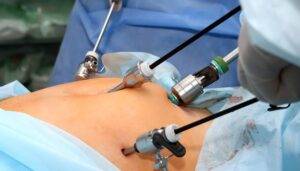
One of the most treasured ambitions in life is becoming a parent. However, infertility can make the journey emotionally taxing and difficult for many couples. Fortunately, IVF (In Vitro Fertilization) and other reproductive medical discoveries have given millions of people worldwide new hope.
This guide covers all you need to know about IVF, from the procedure and success rates to potential dangers and complications, whether you’re thinking about it or just want to understand how it works.
What Is IVF?
An assisted reproductive technology (ART) called in vitro fertilization (IVF) helps people conceive when natural conception isn’t feasible.
The phrase “in vitro,” which translates to “in glass,” describes the lab dish used for fertilization. To put it simply, IVF entails:
- Gathering a man's sperm and a woman's eggs,
- Putting them together in a lab to produce embryos
- Putting the healthiest embryo for implantation within the woman's uterus.
IVF can be used by:
- Couples that are having trouble conceiving
- Women who have endometriosis or obstructed fallopian tubes
- Men who have problems with motility or a low sperm count
- People or same-sex couples who use sperm or donor eggs
- Those who choose fertility preservation or genetic screening
The IVF Process: Step by Step
IVF usually consists of six main steps, though each facility may have minor differences.
1. Ovarian Stimulation
A lady releases one egg every month during a typical menstrual cycle. In order to increase the likelihood of success, IVF involves doctors using hormonal medicines to stimulate the ovaries to create numerous eggs.
- Egg growth is tracked by routine blood tests and ultrasound exams.
- A trigger injection (hCG) is administered to the mature eggs to get them ready for retrieval.
2. Egg Retrieval (Ovum Pick-Up)
Eggs are extracted from the ovaries using a tiny needle under ultrasound guidance approximately 34–36 hours following the trigger injection.
- The process takes 15 to 20 minutes and is performed under light anesthetic.
- After being recovered, the eggs are securely kept in a laboratory.
3. Sperm Collection and Preparation
To choose healthy, motile sperm, a sample of semen from the male partner is treated.
Through a small surgical operation, sperm can potentially be extracted straight from the testicle in cases of severe male infertility.
4. Fertilization in the Lab
In a petri dish, the sperm and eggs are mixed together.
- Sometimes a technique known as ICSI (Intracytoplasmic Sperm Injection) is used to inject a single sperm straight into an egg.
- Over the following three to five days, the fertilized eggs—now embryos—are continuously observed for growth.
5. Embryo Transfer
A tiny tube is used to transfer one or two of the best-quality embryos into the woman’s uterus once they reach the blastocyst stage, which is typically day 5.
- It's a straightforward, anesthesia-free operation.
- You can freeze any additional healthy embryos for later use.
6. Pregnancy Test and Follow-Up
To confirm pregnancy, a beta-hCG blood test is conducted approximately 10–12 days following the transfer.
Before sending the patient to a gynecologist for prenatal care, the clinic keeps an eye on the pregnancy for a few weeks if the result is positive.
Success Rate of IVF
IVF success rates depend on several factors:
- Age of the woman (higher success in women under 35)
- Quality of eggs and sperm
- Cause of infertility
- Lifestyle factors (weight, smoking, stress, etc.)
IVF success rates for women under 35 are typically between 45 and 60 percent every cycle, whereas those for older women are lower. It could take several cycles to become pregnant.
Risks and Complications of IVF
Even while IVF has benefited millions of families, it’s crucial to remember that it’s a medical process with dangers, just like any other.
1. Ovarian Hyperstimulation Syndrome (OHSS)
Some women experience painful, enlarged ovaries as a result of severe reactions to reproductive drugs.
- Mild symptoms: Bloating, nausea, mild abdominal pain.
- Severe cases (rare): Fluid accumulation, shortness of breath, or dehydration. Careful monitoring and medication adjustments help minimize this risk.
2. Multiple Pregnancy
The likelihood of twins or triplets is increased when many embryos are transferred.
Although it might sound thrilling, having numerous pregnancies carries additional dangers, including:
- Premature birth
- Low birth weight
- Gestational diabetes or high blood pressure in the mother
To prevent these issues, doctors now typically advise transplanting a single, high-quality embryo.
3. Ectopic Pregnancy
The embryo may, in rare cases, implant outside the uterus, typically in the fallopian tube. This can be fatal; therefore, you need to get medical help right now.
4. Egg Retrieval Risks
Egg retrieval may result in mild bleeding, cramps, or infection. When carried out by qualified fertility professionals, the operation is usually safe.
5. Emotional and Financial Stress
IVF, particularly after multiple attempts, can be emotionally taxing. The cost each cycle may also be high, depending on the technology and clinic.
Support groups and counseling are beneficial for stress management during this process.
How to Improve IVF Success
Age and medical history are uncontrollable, but lifestyle modifications can have a significant impact:
- Keep a balanced diet and a healthy weight.
- Steer clear of alcohol, tobacco, and too much caffeine.
- Engage in stress-reduction practices like meditation or yoga.
- Pay close attention to your doctor's prescription regimen.
- Select a respectable clinic with cutting-edge testing equipment and knowledgeable fertility doctors.
Is IVF Safe?
Indeed. When carried out under appropriate medical supervision, IVF is regarded as a safe and effective treatment for infertility. Since the first successful IVF case in 1978, millions of healthy kids have been born.
The key lies in:
- Choosing the right clinic,
- Following medical guidance,
- Managing expectations realistically.
Conclusion
Although infertility can be emotionally draining, it’s no longer a hopeless situation because to advancements in medical science. Through IVF treatment in Jalgaon, individuals and couples can truly enjoy the joys of motherhood.
Understanding the process and being aware of the potential hazards and issues can enable you to make well-informed decisions, even though the journey may require patience and care.
Keep in mind that each family has a unique tale to tell and that IVF is only one of many exquisite ways to become parents.